
Why Your Garage Door Won’t Open and How to Fix It
March 18, 2026
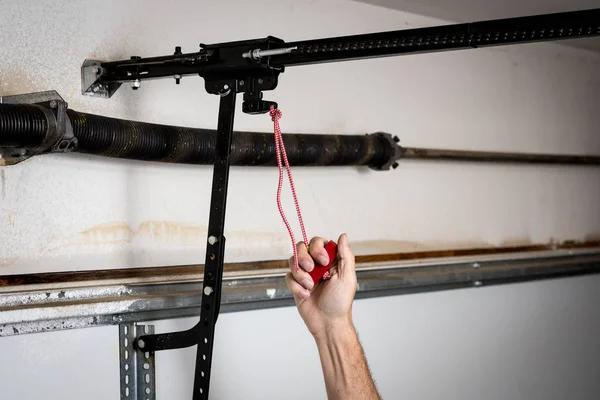
A malfunctioning garage door can be a source of frustration and inconvenience, disrupting your daily routine. Understanding the reasons behind a non-operational garage door and knowing how to address these issues is crucial for any homeowner. Several common factors can lead to a garage door not opening, ranging from simple obstructions to more complex mechanical failures.
One of the most frequent causes is an obstruction in the door’s path. Garage doors are equipped with safety sensors that prevent them from closing if something is detected underneath. These sensors can become misaligned or obstructed by dirt and debris, causing the door not to open or close properly. Regularly cleaning the sensor lenses and ensuring they are correctly aligned can often resolve this issue.
Another typical reason for a garage door malfunction is dead batteries in the remote control or wall unit. Before assuming there’s a significant problem, check if replacing the batteries restores functionality. Similarly, power outages or electrical issues might affect your garage door opener system. Ensure that all wires are intact and that no circuit breakers have tripped.
Mechanical problems within the opener system itself could also be at fault. A broken torsion spring is one such issue; it’s responsible for lifting most website of the weight of your garage door, so when it breaks, you may hear loud noises resembling gunshots as it snaps due to tension release. Replacing torsion springs requires professional expertise due to their high-tension nature.
Likewise, worn-out cables could prevent your garage door from functioning correctly since they assist in controlling its movement during operation. If you notice frayed cables or unusual sounds when operating your garage door, it’s advisable to contact professionals who possess specialized tools needed for safe repairs.
In some instances, track misalignment might hinder smooth operation by causing friction against rollers leading up towards either side panel walls surrounding entranceways themselves – potentially bending metal over time if left unchecked long enough without intervention effort taken promptly upon discovery thereof! Realigning tracks usually involves loosening bolts holding them place then gently tapping back into proper position using rubber mallet followed retightening securely afterwards ensure stability maintained throughout usage duration thereafter accordingly adjusted settings required achieve optimal performance levels desired overall satisfaction guaranteed!