
Stay Ready for Severe Weather With a Practical Coastal Homeowners Roofing Checklist Before Storm Season
September 21, 2026
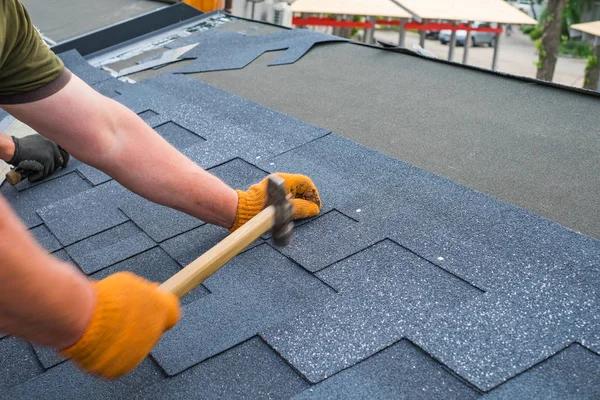
As coastal homeowners brace themselves for the storm season, preparedness becomes not just a precaution but a necessity. The roof, being the first line of defense against severe weather, demands particular attention. A robust roofing checklist can significantly mitigate potential damages and ensure safety during tumultuous times.
Firstly, it’s essential to conduct a thorough inspection of your roof well before any storm warnings are issued. Look for signs of wear and tear such as missing or damaged shingles, cracks in the flashing, or any other visible damage that could compromise the integrity of your roof during high winds and heavy rains. If you’re not comfortable doing this yourself or if you suspect there might be hidden issues, hiring a professional roofer is advisable. They can provide an expert assessment and recommend necessary repairs or reinforcements.
Next on the checklist is cleaning gutters and downspouts. These components play a crucial role in directing rainwater away from your home’s foundation. Clogged gutters can lead to water accumulation on your roof which increases the risk of leaks and structural damage. Ensure that all debris like leaves and twigs are cleared out regularly to maintain efficient water flow.
Additionally, trimming overhanging branches near your home should be prioritized. Strong website winds can easily break these branches off trees causing them to fall onto roofs resulting in significant damage. Keeping trees well-trimmed reduces this risk considerably.
Another vital step involves checking attic ventilation and insulation as they contribute significantly to maintaining structural integrity under stress from severe weather conditions. Proper ventilation prevents moisture buildup which could weaken roofing materials over time while adequate insulation helps regulate temperature reducing strain on roofing structures.
Furthermore, securing loose items around your property cannot be overlooked when preparing for storms; outdoor furniture or decorations if left unsecured may become dangerous projectiles capable of damaging roofs amid strong gusts.