
Complete Guide to Home Charging Station Installation in 2026
July 18, 2026
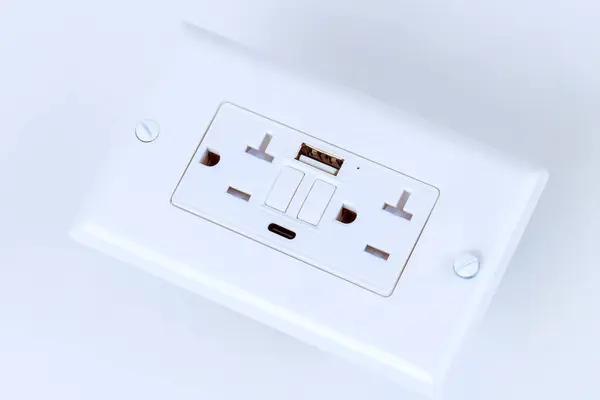
Installing a home charging station in 2026 has become an essential step for electric vehicle (EV) owners seeking convenience and efficiency. With the rise of EV adoption, having a dedicated charger at home ensures faster charging times compared to standard outlets, allowing drivers to start each day with a fully charged battery. The process begins by assessing your household’s electrical capacity. Most modern homes can support Level 2 chargers, which operate on 240 volts and provide significantly quicker charging than Level 1 chargers that use regular 120-volt outlets. It is important to consult a licensed electrician who can evaluate your electrical panel’s load capacity and determine if upgrades are necessary to accommodate the new charger safely.
Selecting the right charging station depends on factors such as power output, compatibility with your vehicle, installation location, and smart features like Wi-Fi connectivity or energy monitoring. Chargers rated between 7 kW and 11 kW are common for residential use because they strike a balance between cost and performance. When choosing a unit, consider whether it offers adjustable amperage settings to optimize electricity consumption based on your daily driving needs. Additionally, ensure that the charger you select complies with local safety standards and certifications.
Vineyard UT electrical services
Once you have chosen the appropriate equipment, scheduling an installation appointment with your electrician is the next step. The professional will handle mounting the charger securely near your parking spot while running wiring from your main electrical panel or subpanel as needed. Proper grounding and circuit protection are critical components of this phase to prevent electrical hazards. Installation typically takes several hours but may extend if significant electrical upgrades are required.
After installation is complete, testing the system confirms proper operation before regular use begins. Many modern chargers include smartphone apps that allow users to monitor charge status remotely or schedule charging sessions during off-peak electricity rates for cost savings. It is advisable to register your device warranty immediately after setup to ensure access to support services.
Homeowners should also explore available incentives such as federal tax credits or utility rebates designed to reduce upfront expenses associated with purchasing and installing EV chargers in 2026. These programs vary by region but often cover substantial portions of total costs.
In summary, installing a home EV charging station involves evaluating existing electrical infrastructure, selecting compatible equipment tailored to individual needs, hiring qualified professionals for safe installation procedures, verifying operational functionality post-installation, utilizing smart features for convenience and efficiency, registering warranties promptly along with investigating financial incentives available locally or nationally-all contributing toward seamless integration of Copperhead Electric Utah County vehicle ownership into everyday life by mid-decade standards.
Copperhead Electric
Vineyard, UT 84059
801-404-0128