
Best Places to Install Photovoltaic Panels for Maximum Output
March 25, 2026
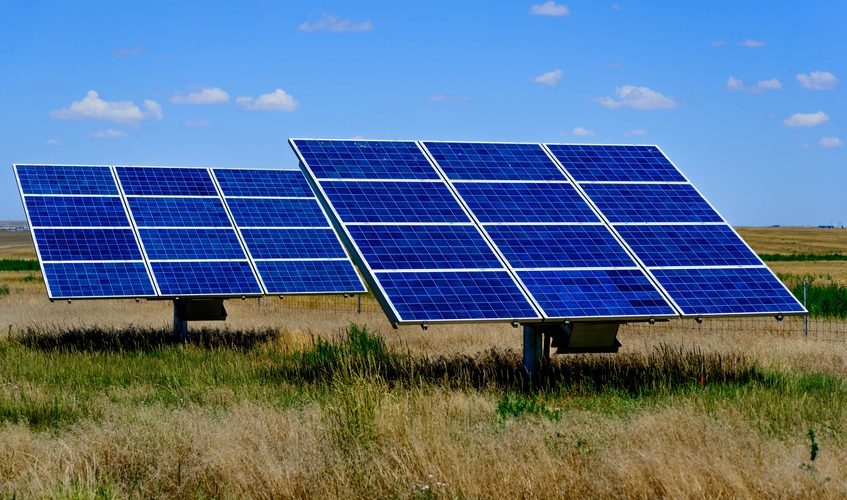
Solar energy is more than just a trend; it’s a revolution in how we power our lives. Photovoltaic panels, the heart of this transformation, convert sunlight into electricity, offering an ecofriendly alternative to traditional energy sources. The appeal of solar panels goes beyond sustainability they can also lead to significant savings on utility bills and increase property value.
But not every spot under the sun is perfect for installation. To truly harness their potential, choosing the right location for your photovoltaic panels is crucial. In this guide, we’ll explore where you can achieve maximum output from your solar setup and what factors should influence your decision-making process. Whether you’re looking at rooftops or open fields, there are plenty of considerations to keep in mind as you navigate this exciting journey into renewable energy.
Factors to Consider when Choosing a Location for Solar Panels
Choosing the right location for solar panels is crucial for panouri fotovoltaice maximizing energy output. Sunlight exposure tops the list of factors to consider. Ideally, panels should face south and tilt at an angle that captures optimal sunlight throughout the year.
Next, think about shading. Trees, buildings, or structures can block sunlight and reduce efficiency. A clear path to the sun is essential for peak performance.
Local climate also plays a role in decision making. Areas with frequent cloud cover may not harness as much solar energy compared to sunnier regions.
Consider roof orientation and size if installing on a building. Flat roofs might require mounts for better angles while sloped roofs could offer natural advantages in positioning solar panels effectively. Each factor contributes significantly to achieving maximum output from your photovoltaic system.
How to Optimize Output in Less Ideal Locations
Optimizing solar panel output in less ideal locations can be a challenge, but it’s definitely achievable. Start by ensuring your panels are clean and free of debris. Even a thin layer of dust can reduce efficiency significantly.
Next, consider the angle and orientation of your panels. Adjusting them to capture the sun’s rays more effectively can lead to improved performance. South-facing installations typically yield better results, but tilt adjustments based on seasonal changes may also help.
If shade is an issue, explore trimming nearby trees or installing solar panel optimizers. These devices allow each panel to perform independently, maximizing energy harvest even when some are obstructed.
Invest in monitoring systems that track performance metrics. This data will pinpoint issues quickly so you can address them promptly for optimal output throughout the year.
Future Possibilities for Solar Panel Installation
The future of solar panel installation looks promising, with continuous advancements in technology driving efficiency and accessibility. Innovations in photovoltaic materials mean that we can expect lighter, more efficient panels that generate higher outputs even in less than ideal conditions.
Moreover, as battery storage technology improves, homeowners will have greater flexibility regarding when they use their generated power. This shift allows for better management of energy consumption and reduces reliance on the grid during peak hours.
Government incentives and community programs are likely to expand further, making solar installations more affordable than ever before. The push towards renewable energy sources continues to gain momentum globally, fostering an environment where adopting solar becomes a common reality rather than a niche choice.
As society embraces sustainable practices, possibilities for integrating photovoltaic systems into various aspects of our lives will continue to grow. With ongoing research and support from both private sectors and governments worldwide, harnessing the sun’s power is just beginning its journey toward widespread acceptance and implementation across all regions.