
A Guide to Smoother Skin: Softer Lines and Calm Definition
April 1, 2026
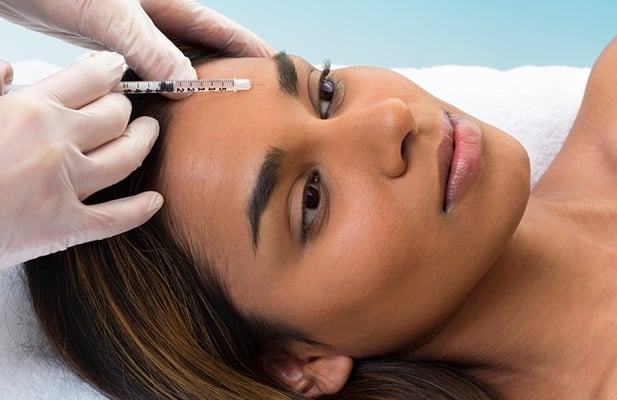
The skin on our foreheads is one of the most expressive parts of our faces. Repeated movements over time, like raising your eyebrows in surprise or furrowing your brow when you are concentrating, can leave permanent marks. To effectively do forehead crease reduction, you need to know that these lines are often caused by a combination of muscle activity, loss of skin elasticity, and external factors such as sun exposure and environmental stressors. You can look younger and more relaxed by addressing these factors early and consistently.
Understanding What Causes Forehead Creases
Forehead lines are primarily a result of repeated facial expressions over time. Every time you raise your eyebrows or frown, the underlying frontalis muscle contracts. As skin gradually loses collagen and elastin with age, it becomes less able to bounce back into a smooth state, which leads to visible creases forming on the surface.
In addition to natural aging, external influences also play a significant role. Ultraviolet (UV) radiation from sun exposure is one of the leading contributors to premature skin aging. It breaks down collagen fibers, which are essential for maintaining skin firmness and elasticity. Lifestyle factors such as stress, dehydration, poor sleep, and even habitual squinting can also deepen expression lines over time.
Understanding these causes is important because it highlights that forehead creases are not caused by a single factor, but rather a combination of internal and external influences.
Daily Skin Care and Prevention
A consistent skincare routine is one of the most effective ways to support skin health and slow the formation of deeper lines. While daily care cannot completely eliminate existing wrinkles, it can improve overall skin quality and help maintain a smoother appearance.
Hydration is a key factor. When the skin is well-moisturized, it appears plumper and more supple, which can temporarily soften the look of fine lines. Ingredients such as hyaluronic acid, ceramides, and glycerin help the skin retain moisture and strengthen the skin barrier.
Sun protection is equally important. Wearing a broad-spectrum sunscreen every day helps protect collagen from UV damage, which is one of the most preventable causes of premature aging. Even on cloudy days or when indoors near windows, UV exposure can still affect the skin.
Additionally, gentle facial massage or relaxation techniques may help reduce muscle tension in the forehead area. While these methods can promote relaxation and improve circulation, their long-term effects on wrinkle prevention are limited.
Professional Treatments and Active Ingredients
For those seeking more noticeable improvements, professional treatments and targeted skincare ingredients may offer additional support.
Topical retinoids, derived from vitamin A, are widely used in dermatology for their ability to encourage skin cell turnover and improve texture over time. Regular use may help reduce the appearance of fine lines and promote a more refined skin surface. Peptides are another ingredient often included in anti-aging products, as they support skin structure and firmness.
Clinical aesthetic treatments can also help soften the appearance of forehead lines. When performed by qualified professionals, these treatments aim to relax targeted facial muscles or improve skin quality, resulting in smoother-looking skin while maintaining natural facial expressions. The goal is not to eliminate movement entirely, but to reduce the depth of visible creases.
For individuals exploring more advanced options, it is always recommended to consult with licensed professionals to determine the most suitable approach based on skin condition and goals.
Simple Habits That Make a Difference
Small daily habits can also influence how forehead lines develop over time. Prolonged screen use, for example, may lead to habitual squinting or tension in the brow area, which can contribute to expression lines. Taking regular breaks and maintaining proper screen brightness can help reduce strain.
Wearing corrective glasses when needed is another simple but effective way to prevent unnecessary squinting. Similarly, maintaining good sleep posture may help reduce temporary sleep creases, although long-term wrinkle formation is still more strongly influenced by sun exposure and aging.
Even stress management plays a role. Chronic stress can lead to repeated facial tension, especially in the forehead and brow area. Relaxation techniques such as breathing exercises, mindfulness, or light stretching may help reduce this unconscious muscle activity.
Conclusion: A Balanced Approach to Skin Care
Forehead crease reduction is not just about appearance—it is also about maintaining healthy, well-cared-for skin that reflects balance and relaxation. While it is not possible to completely stop natural aging, it is possible to slow the development of deep lines and improve overall skin quality.
By combining consistent skincare, sun protection, healthy lifestyle habits, and professional guidance when needed, you can effectively soften existing lines and help prevent new ones from forming. The key is consistency and long-term care. With the right approach, smoother and more refreshed-looking skin can be maintained over time.